How 3 Simple Changes Make Work Spaces Healthier
Could your office be making you sick? As cold and flu season approaches, organizations must assess how their office environments might be affecting their employees’ wellness. Often, a few simple changes in office cleaning, maintenance, and floor plans can solve the problem.
3 common ways your office could be making you sick:
- Germy surfaces
- Poor indoor air quality (IAQ)
- Overcrowded seating plans
Prioritizing wellness in office environments is vital, and helping keep employees healthy and comfortable is in every company’s best interest. Today, offices are more than just places where tasks are accomplished; they’re spaces where many of us spend significant time. Therefore, cleanliness and design matter mightily in our health and wellness.
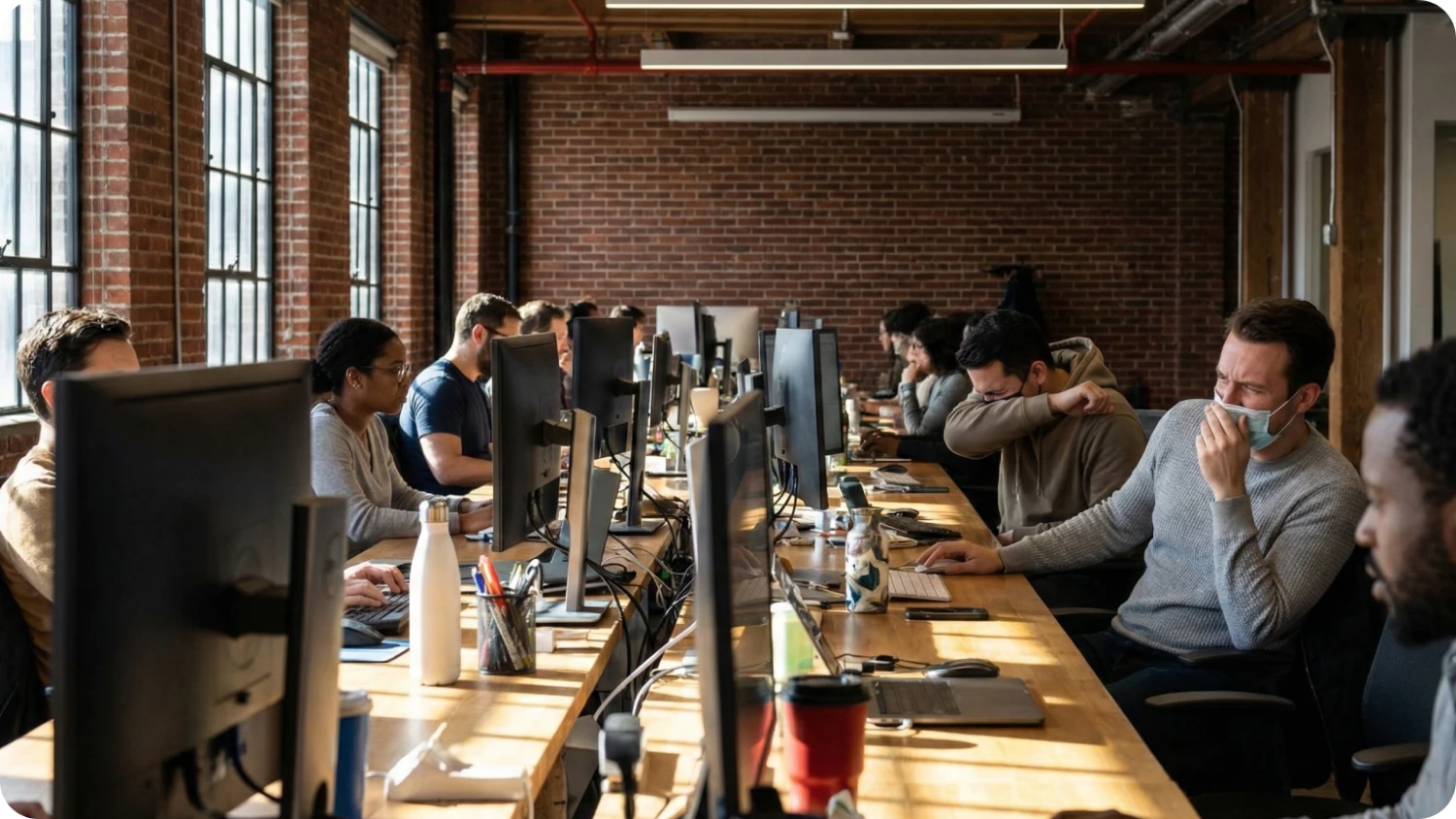
#1: Clean Germy Surfaces on Shared Elements
One of the primary concerns in any workplace is the cleanliness of shared elements. According to various studies, these surfaces can harbor viruses and bacteria that contribute to the spread of illness. Especially during cold and flu season, these surfaces must be routinely sanitized.
- Doorknobs
- Light switches
- Shared equipment
- Restrooms
- Kitchen areas
Implementing a cleaning schedule that prioritizes these areas can significantly reduce the likelihood of sickness spreading through the workforce. Organizations can encourage staff to take part in maintaining a sanitary environment.
Simple initiatives can go a long way. For example, prompting employees to wipe down their workstations after use.
Providing sanitization supplies, such as disinfectant wipes and hand sanitizer, at various points in the office helps foster a culture of cleanliness and personal hygiene awareness.
Get a Quote for
Routine Surface Sanitization
#2: Improve Indoor Air Quality
It’s estimated that people spend around 90% of their time indoors, much of it at the office, making it essential for organizations to ensure the air is fresh and clean. An often-overlooked aspect of workplace wellness is indoor air quality (IAQ). Stale, dirty air or lack of circulation can lead to various health issues.
- Retain odors or germs
- Trigger allergy and asthma symptoms
- Cause Headaches
- Bring on fatigue
One effective way to improve IAQ is to use HEPA filters in vacuums and HVAC systems. HEPA filtration is designed to trap a high percentage of airborne particles, making the air cleaner and potentially reducing allergic reactions and respiratory issues among employees.
Regular maintenance of HVAC systems, including changing filters and ensuring proper ventilation, can also help combat air stagnation and the growth of mold and other harmful pathogens.
#3: Increase Spacing in Workstation Design
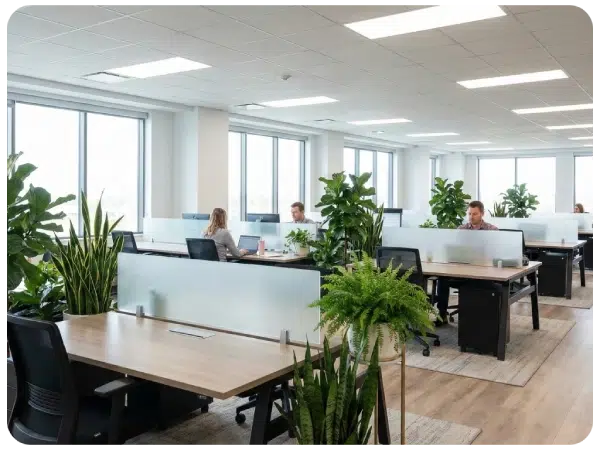 As open office designs have gained popularity, so have concerns regarding personal space and comfort. One of the COVID-19 pandemic’s biggest lessons was about the transmission of viruses through airborne droplets. Sitting close to others obviously increases the risk of transmitting viruses. In addition, tightly packing workstations has other drawbacks.
- Feelings of claustrophobia
- Increased noise and distractions
- Higher stress levels at work
Addressing and correcting these concerns is as simple as reevaluating the office seating plans. Maintaining an increased distance between workstations can not only enhance personal space but also promote better health, concentration, and productivity.
Consideration should also be given to the office’s acoustic design; incorporating sound-absorbing materials can reduce noise and aid concentration. If possible, adding visual barriers, such as plants or low dividers, can create a sense of privacy while still allowing employees to engage with one another.
Healthier People Make Healthier Offices
Beyond physical changes to help people avoid getting sick at the office, it’s essential to foster a culture that prioritizes health and well-being. Companies can host wellness workshops or health fairs to provide employees with information and resources to maintain their health, both physical and mental.
- Exercise and stress management opportunities
- Healthy eating choices
- Openness about mental health needs
Providing resources such as Employee Assistance Programs (EAPs) can offer employees confidential support for a range of needs, including mental health issues, helping them focus better at work.
Companies can also promote healthy habits among their employees. Simple changes, such as providing fresh fruit or healthy snacks in the break room, can encourage better eating choices.
Additionally, encouraging physical activity through initiatives such as walking meetings, fitness challenges, or access to nearby gyms can significantly improve employees’ overall well-being.
Flexible working hours or the option to work remotely can help employees manage their work-life balance, reducing stress and improving mental health. When people feel that their well-being is a priority, they’re more likely to be engaged and productive at work.
Healthy Office Improvements Help Everyone
Making the three simple improvements outlined in this article will make any office healthier for its employees. By routinely sanitizing shared surfaces, improving indoor air quality, considering personal space, and promoting a culture of wellness, organizations are doing the right thing.
Investing in workplace wellness is not just a trend; it’s a wise business strategy that benefits everyone involved. A commitment to creating healthier office spaces must be consistent in the short and long term.
By prioritizing these changes, we create offices where employees can thrive and companies will prosper.
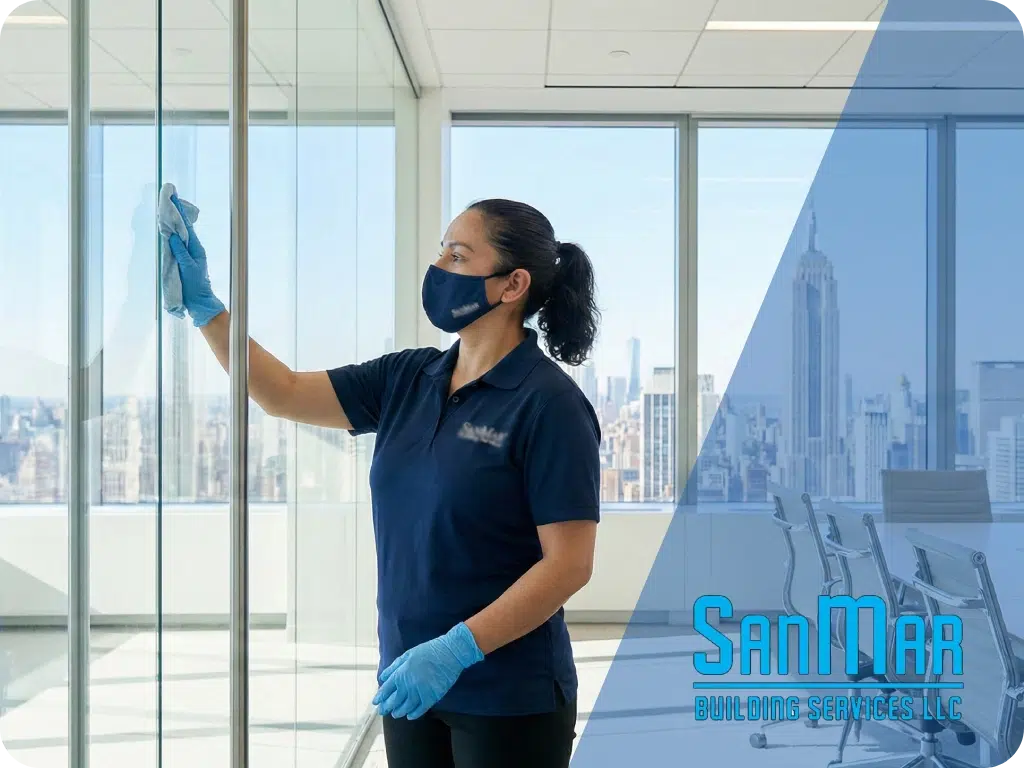
Is Your Office Ready for a Healthier Tomorrow?
Don’t let germy surfaces or poor indoor air quality affect your team’s well-being. At SanMar Building Services, we provide the professional commercial cleaning and office maintenance expertise required to keep your workspace safe and productive.
From routine sanitization of high-touch areas to HVAC filter maintenance, we help you create an environment where employees can thrive.
Have questions or want to hear more about our service?
About SanMar

SanMar Building Services LLC is proud to provide the best commercial cleaning NYC offers for offices, restaurants, retail stores, and small businesses of all types. We’re licensed, bonded and insured.

