The need to secure sensitive and proprietary information cannot be exaggerated in today‘s world. Confidential offices—such as those in financial services, law, insurance, and accounting—hold vast amounts of personal and corporate data. While many organizations focus on digital security, physical security is equally critical.
One area that is often overlooked is office cleaning. After hours, when most employees have left, cleaning staff must access offices, including sensitive areas, to do their work. Therefore, how can organizations ensure that this necessary service does not become a security risk?
This Guide covers:
- Why secure cleaning matters
- Identifying information security risks
- Best practices for secure office cleaning
- Implementing a secure janitorial service
- Legal requirements and securing your cleaning
Why Security Matters in Confidential Offices
Security requirements are high within fields such as finance, law, accounting, and insurance. Breaches of client confidentiality can result in legal consequences, reputation harm, and financial loss.
Confidential documents left unattended on desks, unlocked file cabinets, and improperly disposed of paperwork are all common vulnerabilities. With cleaning staff moving throughout the office during off-hours, these risks can multiply if appropriate protocols aren’t in place.

Security Risks During Office Cleaning
A range of things your employees may be doing presently can create possible security threats with cleaning staff and any other contractors who may be on-site working at your offices.
Unattended Documents
Sensitive papers left on desks or printers can be photographed, taken, or inadvertently disposed of.
Unlocked Storage
File cabinets, drawers, or rooms left unlocked provide easy access to confidential information.
Inappropriate Waste Disposal
Papers not shredded or disposed of securely can end up in regular trash, making them susceptible to dumpster diving.
Unauthorized Access
Cleaning staff may be able to access restricted areas such as server rooms if keys or security codes are not properly managed.
Tailgating
Cleaners may unknowingly allow unauthorized individuals into secure areas.
Best Practices for Secure Office Cleaning
Keeping office cleaning secure requires an orderly approach with best practices – some obvious and others proven valuable over time.
Vet Cleaning Staff
Work with professional B2B office cleaning companies that conduct background checks and properly train their employees. Ensure all staff are bonded and insured.
Have a Clear Desk Policy
Encourage or mandate employees to clear their desks and lock away sensitive materials before leaving the office each day.
Secure Storage
All file cabinets, drawers, and rooms containing confidential information should be locked. Limit access to only those who need it.
Provide Shred Bins and Secure Disposal
Offer locked shred bins for sensitive documents and ensure they are emptied by trusted staff or service providers.
Maintain Access Controls
Cleaning staff should be given access only to areas necessary for their duties. Use electronic access cards that can be programmed and tracked.
Keep Visitor Logs and Supervision
Maintain logs of staff entry and exit times. Consider in-person or video supervision if possible.
Train and Communicate
Both employees and cleaning staff should be aware of security procedures and the significance of maintaining confidentiality, and request their feedback.
Implementing a Secure Cleaning Program
Selecting your cleaning company after a thorough and organized process that keeps office security as a top priority is good for your business. You can secure your offices and find a cleaning service that meets your company’s needs and budget.
- Partner with Trusted Vendors: Choose a cleaning company with experience in secure environments. Require security certifications or references from similar organizations.
- Develop Clear Contracts: Contracts with cleaning companies should specify security requirements, background checks, training, and liability.
- Scheduled Evaluations and Audits: Regularly audit cleaning processes and access logs to assure compliance. Solicit feedback from employees about any concerns.
- Incident Response Plan: Have a clear process for reporting and investigating any security incident involving cleaning staff.
Balancing Cleanliness with Confidentiality
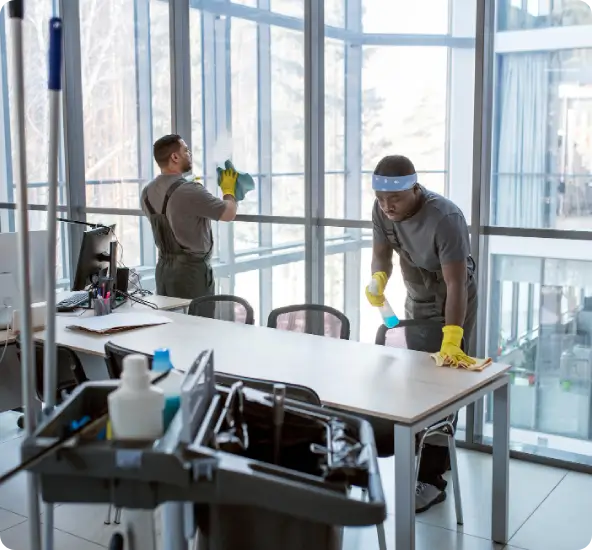
It is possible to maintain both a clean, confidential office environment and solid security. Automation can help: for instance, using security alarms, electronic locks, and cameras can deter unauthorized access. Employees play a vital role, too—reminders and regular training help strengthen the importance of not leaving sensitive materials exposed. In addition, involving the cleaning staff in your security culture—through training and communication—can turn them into collaborators rather than risks.
Legal and Regulatory Responsibilities
Many industries are covered by strict federal and state regulations pertaining to privacy and data protection. For example, financial services firms must comply with GLBA, law firms may be subject to ABA Model Rules, and healthcare offices must follow HIPAA.
Failing to secure physical records can lead to regulatory penalties as well as loss of client trust. Your office cleaning procedures must honor these requirements.

Ready to Hire Secure Office Cleaning?
Secure office cleaning is an essential aspect of any physical security program. With the right policies and partnerships in place, your company can ensure its confidential information and server rooms remain protected—even after the workday ends.
Looking for a secure office cleaning contractor in New York City? Contact SanMar Building Services LLC at (917) 924-5590 to schedule a consultation. Our services include all types of B2B office cleaning.
Frequently Asked Questions
How do I know if my cleaning company is trustworthy?
Ask for references from clients in similar industries, verify that they perform background checks, and review their training and security policies.
What should I do if I suspect a security breach related to cleaning staff?
Report the incident to your cleaning contractor, security officer, or manager immediately, document what happened, and review access logs and surveillance footage if available.
Is it possible for cleaning staff to sign confidentiality agreements?
Yes, confidentiality agreements are one option that can be included in your contract with a b2b commercial cleaning company. Also, prioritize contractors with bonded and insured janitors.
How can I encourage employees to follow security guidelines related to cleaning?
Scheduled training sessions, reminders, and visible signage can strengthen the importance of clearing desks and locking away sensitive materials.
Are electronic access controls better than traditional keys for cleaning staff?
Electronic access controls offer greater security because access can be easily granted, revoked, and tracked without changing physical locks.
Have questions or want to hear more about our service?
About SanMar

SanMar Building Services LLC is proud to provide the best commercial cleaning NYC offers for offices, restaurants, retail stores, and small businesses of all types. We’re licensed, bonded and insured.

