What to Ask For, and What to Watch For
Having a thorough, cost-effective office cleaning contract is important for maintaining a healthy, productive workplace. Yet, many businesses find themselves dissatisfied—paying for services that don’t quite meet expectations, or discovering hidden costs after the ink has dried.
The opportunity to improve comes when you renegotiate an existing contract or enter into an agreement with a new office cleaning company. Either way, you’ll gain when you approach the process with a clear understanding of what you need, what’s standard, and what pitfalls to avoid. Here’s a comprehensive guide to help you get the best value for your budget, complete with a Q&A at the end to address common concerns.
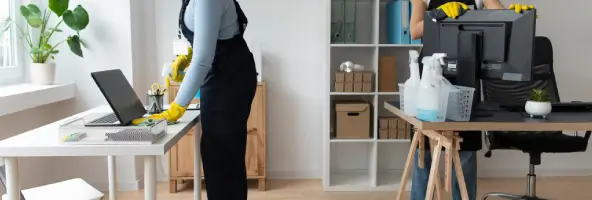
1. Be Clear About the Scope of Work
Not all cleaning contracts are alike, and in reality, they can be quite different. Be detailed about what work is included, how often it will be performed, and what areas are covered before you sign an agreement.
Ask for a detailed rundown of services. Items it may cover include: emptying trash bins, dusting, floor care, restroom cleaning and disinfecting, and any add-on services such as carpet shampooing or floor waxing. Any lack of clarity can lead to misunderstandings and unmet expectations.
Tips:
- Be specific about the frequency of visits: Daily, weekly, monthly?
- Clarify the spaces covered (offices, reception areas, restrooms, conference rooms, kitchens, etc.)
- Ask for a sample cleaning checklist
2. Weigh Price vs. the Level of Quality

Double-check a low rate by inquiring about all costs, including labor, equipment, cleaning products, and any possible surcharges. Make sure you know exactly what is—and isn’t—included in the quoted price.
Always think twice about the lowest bid because it may come at the expense of quality. Some companies entice clients with a low rate but may cut corners to achieve it. Or, they might unbundle services and add fees for supplies or overtime.
Tips:
- Favor easy-to-read and detailed quotes — nothing hidden or glossed over
- Ask about whether extra fees might happen (e.g., overtime, emergency, or after-hours charges)
- Clarify if cleaning supplies and equipment are provided or extra
3. Can the Contractor be Flexible and Customize?
Every office has unique needs, and no two are alike. For example, if your workspace hosts events that require extra cleaning, or perhaps you want eco-friendly cleaning products, can the contractor do it?
You’ll do best with a company that can tailor its services to your requirements. A rigid, one-size-fits-all contract is less likely to deliver satisfaction than one that evolves with your business.
Tips:
- The best contracts can be adjusted as your needs change
- Inquire about your specific needs, like green cleaning options
- See if you can set special schedules for certain areas if needed
4. Ensure Oversight and Quality Assurance
You need office cleaning that meets your company’s standards. It’s common (and necessary) to include measurable performance metrics and an oversight process for quality assurance.
You might specify routine inspections, customer feedback surveys of your employees, or a reporting system for issues. The contract should also lay out the process for addressing unsatisfactory service.
Tips:
- Ask about review processes with the contractor’s existing clients
- Look into the complaint resolution procedure
- Find out how often cleaning quality is reviewed
5. Can You Terminate and How Do You Renew?

If your needs or service levels change, flexibility means everything. Have a clear notice period if either side needs to cancel, and spell out the renewal and renegotiation process. When things don’t go as expected for you or your cleaning contractor, having a contractual way out is important.
Tips:
- Have a clear and straightforward termination clause
- Specify whether the agreement renews automatically or manually
- Add a trial period if you want to adjust the final agreement
6. Check References, Credentials, and Experience
When you hire a cleaning services company, their work is visible to everyone, and you also want peace of mind. Therefore, checking references, credentials, and accreditations is important. It’s also wise to speak with other clients.
You’ll also want to confirm insurance coverage and inquire about their employees. Are they background-checked? Have they been trained? Top-notch, experienced providers will do well in your vetting and produce better results in the long run.
Tips:
- Call people at current and past client companies
- Review licenses, insurance coverage, or request bonding
- Inquire about employee background checks and staff training
7. Consider the Environment and Keeping a Healthy Office
Many companies today have environmental responsibility and sustainability goals that may also overlap with health and safety considerations. Find out about a contractor’s disinfecting capabilities to reduce the spread of germs during cold, flu, and COVID season.
Also ask about green-cleaning capabilities, including eco-friendly and EPA-registered products and sustainable methods such as reducing disposable and single-use items in favor of reusable ones.
Tips:
- Compare your office health standards with their capabilities
- Ask about certifications and experience with green cleaning
- Review product offerings and eco-friendly alternatives
8. Clear Communication Matters

Communication is key in all vendor relationships, and cleaning is no exception. Be clear on all tactical areas such as point of contact, process for reporting concerns and requesting changes, and how you’ll be updated.
With many leading companies today, you’ll have access to an app or client portal. Either offers you direct and fast ways to track service quality and report concerns.
Tips:
- Identify the primary contact for routine communication and emergencies
- Request information about digital tools or platforms for service requests
- Ask about the frequency and format of service reports
9. Can They Scale Up and Handle Special Events?
Your business may grow or change, and your office cleaning needs could be impacted. Seasonal events, cold and flu season, remodeling projects, etc., can also be factors.
It’s important to choose a commercial cleaning company with flexibility and one that can scale up if you need additional services or add office space.
Tips:
- Find out how to request additional or temporary services
- Ask how the provider handles emergency cleanings or one-time events
- Discuss options for scaling up or down as your business changes
10. Scrutinize Contractual Details Closely

Even though it might be tempting to skim it, read the contract fine print carefully. Confirm all the details from your negotiation and ensure they are spelled out in writing.
Well-written office cleaning contracts generally include service descriptions, pricing, performance standards, and liability clauses. As with all contracts your company enters, have your legal department or outside counsel review it and sign off.
Tips:
- Verify all negotiated terms are included in writing
- Understand liability, indemnification, and insurance clauses
- Seek legal review for complex or high-stakes contracts
Frequently Asked Questions
How do I make sure the cleaning meets my expectations?
Clearly communicate your office’s needs to the contractor and then ensure they uphold the performance standards written into the contract. If anything falls short, request a call or meeting to discuss it with the contractor’s representatives.
Can I change the services after signing the contract?
Many providers allow you to adjust your service package as long as you give appropriate notice. Ensure your contract describes the process for changes as well as any related fees.
Are green cleaning products more expensive?
Not necessarily. While some environmentally friendly products cost more, many providers have competitively priced green options. Ask for a comparison when you get your quote.
How long should an office cleaning contract last?
Contracts commonly range from six months to three years. Short-term contracts offer more flexibility, while longer terms may secure better rates. Consider what best fits your organization’s needs.
What’s a red flag when reviewing contracts?
Watch for vague language, hidden fees, or lack of performance standards. If a provider can’t explain terms or avoids transparency, consider other options.
Have questions or want to hear more about our service?

About SanMar

SanMar Building Services LLC is proud to provide the best commercial cleaning NYC offers for offices, restaurants, retail stores, and small businesses of all types. We’re licensed, bonded and insured.
