
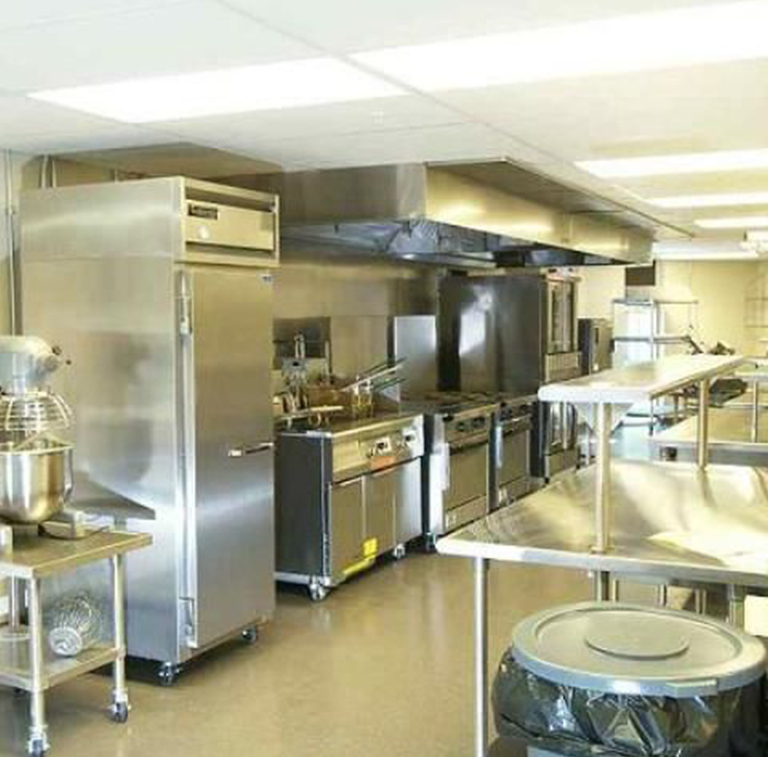
How To Deep Clean A Restaurant Kitchen
Let’s face the ugly truth about the New York food scene: the dinner rush leaves your back-of-house looking like a disaster zone. You are exhausted, your line cooks are clocked out, and the thought of scrubbing baked-on grease makes you want to hand over your keys. If you are constantly stressing over how to deep clean a restaurant kitchen without completely burning out your staff, you are definitely not alone.
Getting hit with a “C” grade from the Health Department is a death sentence for any NYC restaurant. A single filthy grease trap or moldy walk-in fridge can instantly ruin your hard-earned reputation and bottom line. We know exactly how tough it is to maintain a spotless kitchen while juggling rising food costs and high staff turnover.
You need a serious game plan to attack grime from the ceiling vents straight down to the floor drains. We are sharing the exact cleaning strategies we rely on across Manhattan and Brooklyn to get things done fast. Let’s get your kitchen looking brand new before tomorrow morning’s prep shift even starts.
How To Clean A Commercial Kitchen: The Best Way To Attack The Grime
Jumping into a dirty prep line without a clear strategy is a guaranteed way to waste hours of expensive labor. You really need to understand how to clean a commercial kitchen systematically to avoid cross-contamination and wasted physical effort. Breaking the massive job down into specific zones keeps your dishwashers and porters highly focused on the task at hand.
The first thing you need to do is establish your internal cleaning protocols for your specific heavy machinery. A pizza shop in Queens requires a totally different approach than a high-end steakhouse located in SoHo. You need the right heavy-duty degreasers, stiff-bristle deck brushes, and heavy rubber protective gear before you even start scrubbing the metal.
Pre-Cleaning Preparation Steps
Step 1: Always start the night by cutting the power and gas lines to your heavy cooking equipment to prevent terrible accidents.
Step 2: Let the metal cool down to a safe, manageable temperature while you gather up your buckets and chemical sprayers. Trying to scrub a flat top while it is still running hot is incredibly dangerous for your crew.
Step 3: Once the fryers and ovens are completely safe to touch, physically pull them away from the stainless steel backsplashes.
Step 4: Grab a heavy shop vacuum and suck up the massive mountain of dropped food and dry debris hiding directly behind the wheel casters before you introduce any hot water to the floor.
Restaurant Kitchen Cleaning Checklist: The Ultimate Cleaning Routine Tracker
You cannot rely on human memory to keep your cooking line up to city code standards. Having a physical restaurant kitchen cleaning checklist posted on the wall holds every employee accountable for their assigned station. It takes the guesswork out of the closing shift and makes sure nothing gets conveniently ignored by tired cooks trying to go home.
We break this list down into daily, weekly, and monthly chores to make the massive workload actually achievable for the staff. If you try to do everything in one single night, your crew will get frustrated and quit on the spot. Here are the daily tasks that must be completed before the managers turn out the lights.
- Wipe down and heavily sanitize all stainless steel prep tables and color-coded line cutting boards.
- Empty all trash cans, wash the bins inside and out, and replace the heavy-duty plastic liners.
- Drain the fryer oil, scrub out the metal vats, and properly filter the fat for the next day.
- Sweep the entire line, mop the quarry tile with hot soapy water, and squeegee it completely dry.
- Clean the three-compartment sink and run the final load of pans through the commercial dish machine.
- Wrap, label, and securely date all open food containers before moving them to the walk-in cooler.
Step-by-Step Instructions For Deep Scrubbing
When it is time for the serious weekly scrub, you need a methodical approach that starts high and finishes low. Dust and grease naturally fall downward, so washing the floors first is a waste of your valuable time. Follow this exact sequence to get the best results without forcing your staff to do the same job twice.
Step 1: Start with the ventilation hoods by removing the heavy metal baffles and dropping them into a hot degreaser bath.
Step 2: Scrub the interior of the hood canopy with a heavy-duty scraping tool to remove the thick carbon buildup.
Step 3: Move down to the cooking surfaces, apply chemical oven cleaners to the cast-iron grates, and let them sit.
Step 4: Scrub the walls and stainless steel backsplashes behind the equipment with a non-abrasive scouring pad.
Step 5: Wash down the exterior of all the lowboy coolers and carefully wipe out the rubber door gaskets.
Step 6: Finish with the floors by using an enzymatic cleaner to break down the heavy fats trapped inside the grout.
Tackling The Walk-In Refrigerator Properly
The walk-in is the heartbeat of your food service operation, but it quickly becomes a dumping ground during service. Spilled sauces sit on the bottom shelves, quickly becoming breeding grounds for dangerous bacteria and unwanted pests. You have to empty the wire shelves at least once a month to do a proper, thorough scrub down.
Wash down the wire racks in the dish pit to remove sticky residue from leaking produce boxes. Sweep out the onion skins and mop the floor with a sanitizer that does not require a clear water rinse. Keep a very close eye out for mold growing on the condenser coils, as that will fail a health inspection instantly.
Commercial Kitchen Deep Cleaning Tips For The Worst Messes
Sometimes basic elbow grease just isn’t enough, and you need insider knowledge to cut through the worst grease fires. We have compiled our favorite commercial kitchen deep cleaning tips from decades of working in the New York sanitation industry. These specific tricks save serious time and keep your expensive equipment running smoothly for years without breaking down.
- Use a pumice stone or grill brick to remove burnt-on carbon without scratching the underlying metal surfaces.
- Pour a large bucket of boiling water mixed with a little bleach down the floor drains to kill fruit fly eggs.
- Use a stiff, clean toothbrush to get into the tight, hidden corners of your commercial can opener to remove old food.
- Keep a separate set of color-coded cleaning towels to prevent bathroom germs from ever reaching the main prep areas.
- Descale your commercial dish machine with basic white vinegar to prevent cloudy hard water spots on your expensive glassware.
- Run your heavy rubber floor mats directly through the dish machine at the end of the night instead of hosing them down.
The Pro Tip For Handling Grease Traps
Here is a pro tip for handling your under-sink grease traps without making the entire dining room smell awful. Never attempt to clean a heavily backed-up grease interceptor while the restaurant is actually open for business or prepping food. Schedule professional commercial pumping services early in the morning, before your morning prep cooks even arrive at the building.
Maintaining your plumbing prevents huge, expensive disasters on a busy Friday night that could force you to shut down entirely. If you completely ignore the trap, the city water department will hit you with a large fine for dumping fat down the sewer. Always keep an enzymatic drain maintainer on hand for daily use to keep the underground pipes flowing clearly.
Enforcing Strict Health And Safety Protocols
Basic cleaning removes the visible dirt, but sanitizing is what actually kills the microscopic pathogens that cause terrible foodborne illnesses. You have to lock down your strict restaurant kitchen sanitation procedures to ensure total customer safety every day. Your dishwashers need to know exactly how to mix their chemical buckets to the correct parts-per-million.
Keep your Quat sanitizer buckets incredibly fresh, and test them with paper strips multiple times throughout the long shift. If the water becomes cloudy or contains floating food particles, it is completely useless and must be dumped immediately. Health inspectors will test these red buckets the second they walk through the door, so do not get caught slipping.
The same rigid rules apply to your mechanical dishwashing machine temperatures throughout the lunch and dinner rush. The main wash cycle must hit the right heat level to melt grease, and the final rinse must reach 180 degrees to sanitize. Check those internal temperature gauges daily and log them in a binder to prove to the city that your equipment actually works.
Dealing With NYC Pest Control Challenges
Operating a food business in New York means you are in a constant, never-ending battle against rodents, water bugs, and roaches. The smallest crumb left behind a lowboy cooler is an open invitation for pests to move in and multiply rapidly. Your nightly cleaning routine is your best defense against an incredibly expensive exterminator bill.
Keep all of your dry goods in thick, airtight plastic containers rather than leaving them in their original cardboard boxes. Cardboard holds basement moisture, provides perfect nesting material, and does nothing to keep hungry mice away from your expensive flour. When you do your nightly sweep, look very closely for droppings near the water heater and behind the main ice machine.
Maintaining Your Front-Of-House Connections
The overall cleanliness of the back-of-house directly impacts how the main dining room feels and smells to your paying guests. If your kitchen doors swing open and release a terrible odor, your customers will lose their appetites almost immediately. This is exactly why investing in professional janitorial services makes such a huge difference for your overall brand perception and customer retention.
The front-of-house staff also needs to follow strict sanitation protocols when handling dirty plates and returning them to the dish pit. Scrape the plates fully before stacking them to make the dishwasher’s job a little bit easier during the dinner rush. Consistent commercial floor care in the main dining area prevents kitchen grease from tracking onto your nice carpets.
Hiring Professionals For The Heavy Lifting
Let’s be real, your kitchen staff was hired to cook amazing food, not to act as an overnight cleaning crew. Forcing them into exhausting deep cleans after a twelve-hour shift leads straight to high turnover and sloppy work. It usually makes way more financial sense to bring in an outside crew that actually specializes in industrial messes.
An experienced team rolls in with commercial-grade equipment and heavy-duty chemicals that you cannot just buy at a local hardware store. They safely tackle greasy ceiling vents, slippery grout, and messy back offices so that you can focus on your menu. Keeping the entire building spotless from the front door to the back alley shows the health inspectors you run a tight ship.
Frequently Asked Questions
Q. How often should a commercial kitchen be completely deep cleaned?
A. Most high-volume restaurants need a professional deep clean every single month to stay ahead of the massive daily grease buildup. Exhaust hoods and fire suppression systems are usually required to be cleaned by a certified professional every 3 months under New York City fire codes.
Q. What is the best chemical to cut through baked-on fryer grease?
A. Heavy-duty, caustic-based commercial degreasers are the best option for removing polymerized fat from stainless steel cooking equipment. Always wear heavy rubber gloves and safety goggles, because these incredibly strong chemicals will easily burn your exposed skin.
Q. Can I use bleach to sanitize my stainless steel prep tables?
A. Keep bleach far away from your stainless prep tables. It actually eats right through the metal, causing rust and deep pitting that you can never fix. Grab a food-safe “Quat” sanitizer instead, since it kills germs without destroying your expensive tables.
Q. Why do my floor drains constantly smell like rotten eggs?
A. That horrible sulfur smell is basically old, rotting food and stagnant water sitting in the pipes right under your feet. You have to roll up your sleeves, scoop out the physical gunk by hand, and pour a heavy-duty enzymatic cleaner down the pipe to kill the remaining bacteria.
Q. How do I prepare my restaurant for an unannounced health inspection?
A. Keep detailed temperature logs, properly label and date every single item in the fridge, and stick to your daily cleaning checklists. If the obvious areas are totally spotless, the inspectors are far less likely to dig relentlessly for minor, hidden infractions.
Conclusion
Running a successful food operation in this incredibly competitive city takes serious grit, determination, and a relentless focus on the small details. Getting your facility up to city standards is tough, but keeping it there day in and day out is the real, ongoing challenge. Your staff works hard, your customers expect the best, and the city demands total compliance with their strict health codes.
You do not have to tackle the worst grime and grease entirely on your own after a brutal Friday night dinner service. If you are finally ready to hand the heavy, dirty work over to the actual pros, reach out to the experts at SANMAR BUILDING SERVICES LLC today. Contact our dedicated New York team via our website to schedule a comprehensive walk-through and have your facility shine the way it deserves.

